

TRAUMA!
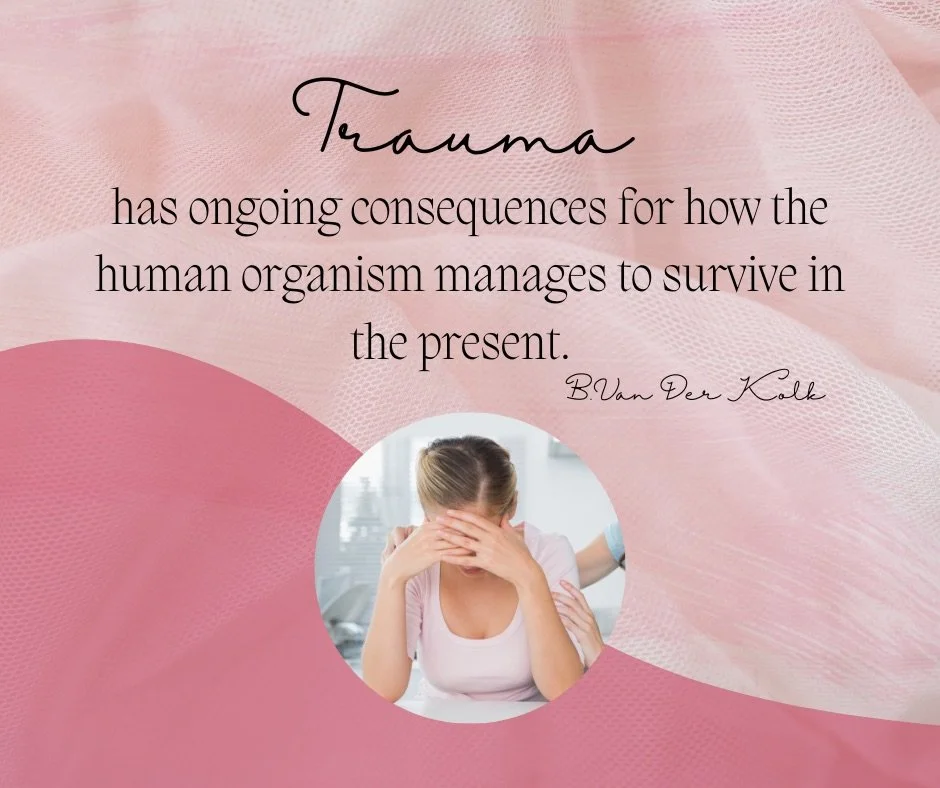
Do we know how painful life can be each day for people who have suffered from trauma? They are the ones who are left to pick up the pieces after abuse, the children left in their bedrooms at night crying as they listen to the domestic violence happening right outside their doors. What about the children who are not as lucky to have room to hide in to avoid trauma. What would it be like to witness the violent death of a loved one? What about those who have experienced horrific and brutal warfare? On the battlefield or in the halls of schools, where a random shooter takes the lives of their peers.
Think about the many time's humans have stood by and watched their loved ones fade away under the care of medical facilities that did all they could, but still, the disease or virus showed no mercy.
What about families left in toxic shock as they watch their family members suffer from the effects of addiction, depression, and suicidal tendencies.
The possibilities for long-lasting, scarring, emotional pain are endless.
I have often heard replies in dismay, "Oh, God have mercy on that child-woman, man." Statements of wonderment, "I don't know how she is ever going to survive after that!"
"That doesn't seem fair. Why does that woman have to suffer like that?
So many unanswered questions. I was reading about the after-effects for the survivors of Rwanda Genesis. An observer non-related to the situation observed that many survivors wore helmets on their heads, and he sought the reasoning behind this. It wasn't long before the observer discovered the answer for himself.
Anytime there was a loud sound, the survivors would faint immediately. It was an instinctive and automatic reaction of the subconscious brain—a protection mechanism. The survivors survived but are left to deal with the effects for the rest of their lives.
My heart feels compassion towards victims who suffer from the after-effects of traumatic experiences.
What are some of these effects: the most dangerous and life-threatening of them all is the toxic stress that victims experience continuously -day in and day out. The cortisol produced by the body in preparation for fight or flight mode and viewed as life-saving has an opposite effect on the body when it runs full force all hours of the day.
Other effects include numbness which trauma victims describe as watching others live their lives while observing as an onlooker behind a thick glass window.
A debilitating effect of trauma is the surprising onset of panic and anxiety that occur without notice in the middle of survivors' day-to-day lives. One minute they feel okay, and a few seconds later, their heart is racing; they suddenly feel nauseous as they begin to sweat. Twenty seconds can seem like an hour while experiencing the pending doom of panic. Speechless and helpless survivors await these attacks with frantic and desperate looks in their eyes. Not understanding how to control or prepare for these sudden occurrences.
One sad effect is observing what happens in relationships when a trauma victim becomes a foreigner in their intimate relationships. Children hug them as they stand stiff as cardboard - attempting to go through the motions of demonstrating love, all the while feeling like the pretender.
In victims of trauma, both young and old, their behaviors are mistaken for attention deficit disorder. Often teachers will ask students, "what's wrong with you?" "Why can't you complete this simple task? Or a husband asks his wife, "is it asking too much of you to pick up your clothes off the floor and fold them and put them away where they go?"
Maybe a better question would be, "what happened to you?"
As an educator, I see classrooms stuffed with students who can't focus, sit still, and don't turn in their work. Do they all have ADHD?
Seeing others through a different lens can be helpful. What can friends and loved ones of trauma survivors do to help?
There is a list, believe it or not:
Help them to seek help from those trained in helping trauma survivors
Be a loving and patient listener. Listen and validate the feelings of victims. Be open to listening, not judging, and not press for more information. Rehearsing through even one minute of past trauma can exhaust a victim for hours.
Be willing to be physically there with a victim without talking. Just wait out difficult moments with patience.
Make sure that good nutritious, and easy-to-manage food is always available. Don't force, but make eating easy.
Always make drinking water part of your way of life and offer it to victims whenever you drink.
Learn about what triggers trauma survivors and learn to plan.
Be a strong partner by ensuring prescribed medication is taken by the trauma victim consistently. It is easy for a victim of trauma to forget.
Fill your living space with positive energy and inspire spirituality to provide additional peace when possible.
Creating safe havens in your living spaces, relationships, and activities allows the optimal victim opportunities for relaxation.
Movement is helpful. Doing Yoga walks in beautiful nature and peaceful workout areas are helpful.
Always remember that any noise, smell, sound, etc., magnify in trauma victims' minds.
Caring for victims of trauma is a work of love. Victims take time to heal and rebuild, but remember, trauma can often leave permanent imprints on its victims. There are many ways to enjoy life with someone who has experienced trauma. The best ways all stem from patience and love.
